Passive Euthanasia & End-of-Life Ethics: Harish Rana Case | UPSC Mains Model Answer | 12 March 2026
13th Mar 2026
Read
- Share With Friend & Family
-

-

-

-

-

-

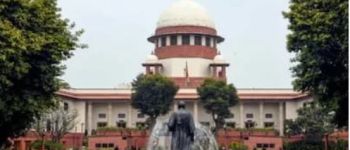
TABLE OF CONTENTS
- Introduction
- Body
- Ethical dimensions at conflict:
- My approach as treating doctor:
- Way Forward
- Conclusion
Q. A terminally ill patient's family requests a doctor to withdraw life-sustaining treatment, citing years of suffering and irreversible medical condition. The hospital administration, however, is reluctant due to fear of legal liability. As the treating doctor, how would you approach this ethical dilemma? What values would guide your decision? (250 words)
Introduction
End-of-life decisions represent one of medicine's most profound ethical tensions - between prolonging biological survival and preserving human dignity. The Harish Rana judgment (2026), India's first court-approved passive euthanasia order, and Common Cause v. Union of India (2018) provide both legal and moral scaffolding for such dilemmas.
Body
Stakeholders and their competing interests:
| Stakeholder | Interest |
| Patient | Dignity, relief from futile suffering |
| Family | Compassionate closure, end of prolonged grief |
| Hospital | Legal protection, institutional reputation |
| Doctor | Medical ethics, legal compliance |
| Society | Precedent, sanctity of life |
Ethical dimensions at conflict:
- Autonomy vs. Paternalism — Family's informed request must be respected; overriding it constitutes medical paternalism.
- Beneficence vs. Non-maleficence — Continuing futile treatment causes harm, not benefit.
- Duty of care vs. Fear of liability — Legal anxiety cannot override constitutional obligation under Article 21.
My approach as treating doctor:
- Constitute primary and secondary medical boards under the Common Cause framework to objectively establish irreversibility.
- Apply the 'best interests of the patient' test - assess therapeutic benefit, burden of intervention, and quality of remaining life.
- Classify Clinically Assisted Nutrition and Hydration (CANH) correctly as medical treatment, not basic sustenance — legally enabling its withdrawal.
- Counsel hospital administration with judicial precedents, distinguishing passive euthanasia (legally permitted) from active euthanasia (illegal).
- Notify the Judicial Magistrate before implementation -ensuring procedural compliance and shielding the institution from liability.
- Transition to palliative care - shifting focus from cure to comfort and dignity.
Values guiding this decision: Compassion, integrity, patient autonomy, non-abandonment, transparency, and constitutional morality.
Way Forward
- Parliament must enact a comprehensive end-of-life care legislation to eliminate dependence on evolving judicial frameworks.
- Medical institutions should institutionalise palliative ethics training, and Advance Medical Directives must be mainstreamed to prevent future dilemmas.
Conclusion
As the Supreme Court observed in Harish Rana - 'the greatest tragedy in life is not death, but abandonment.' A doctor's highest duty is not to sustain biological life at any cost, but to ensure every patient - even in their final stage - is met with dignity, compassion, and unwavering care.
Author: Lemo
Lemo is the founder of Epoch IAS - a UPSC platform built not in classrooms, but at 2 AM over black coffee. He writes notes that are sharp, syllabus-ahead, and made for aspirants who are serious about cracking it. No fluff. Just focus.
Feel free to use images in our website by simply providing a source link to the page they are taken from.
-- Epoch IAS
Explore By Category
Latest Posts
 18th May 2026
![[Download PDF] Union Budget 2026–27 Summary](/storage/blog/small/download-pdf-union-budget-2026-27-summary.jpg) 30th Apr 2026
30th Apr 2026
 20th Mar 2026
 19th Mar 2026
 19th Mar 2026
-development-scheme.jpg) 19th Mar 2026
19th Mar 2026
 19th Mar 2026
 18th Mar 2026
 18th Mar 2026
 18th Mar 2026
 17th Mar 2026
 17th Mar 2026
 17th Mar 2026
 17th Mar 2026
 17th Mar 2026
Share views on Passive Euthanasia & End-of-Life Ethics: Harish Rana Case | UPSC Mains Model Answer | 12 March 2026
Please keep your views respectful and not include any anchors, promotional content or obscene words in them. Such comments will be definitely removed and your IP be blocked for future purpose.